5 Signs Your Small Daily Expenses Are Sabotaging Your Savings
Small daily expenses seem harmless one at a time, but together they can quietly eat away a huge chunk of your savings potential. Here are 5 signs to help you spot them before they become an expensive habit.

Table of contents
- 1. You don't know where your money went by the end of the month
- 2. You have several subscriptions you barely use
- 3. You make "small" purchases several times a week
- 4. You feel like you "earn well" but don't save what you'd expect
- 5. You use contactless payments or payment apps almost automatically
- How to start getting them under control
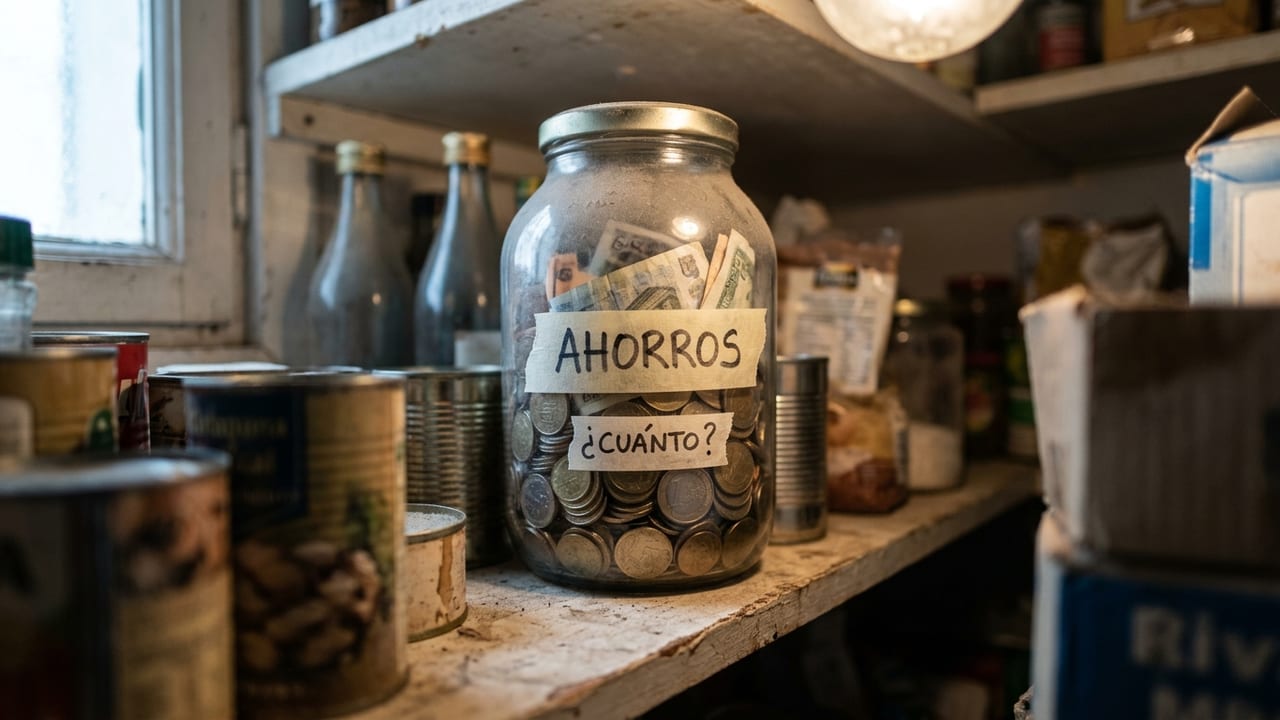
The term "latte factor" (or small daily expenses) refers to those tiny everyday purchases — a coffee, an app, a food delivery order — that seem completely harmless on their own. The problem isn't any single expense; it's how often they repeat. They're small, but frequent, and that combination is exactly what makes them dangerous for your savings.
Here are five signs that small daily expenses might be affecting you more than you think.
1. You don't know where your money went by the end of the month
If you check your account and there's a noticeable gap between what you "should" have spent and what actually left your account, that's a classic sign. Big expenses (rent, mortgage, insurance) are easy to remember; small daily expenses, precisely because they're tiny and frequent, tend to disappear from memory almost instantly.
2. You have several subscriptions you barely use
Streaming, apps, gym memberships, subscription services of every kind: if you had to list, right now from memory, every active subscription you have and how much each one costs, could you? Most people can't — and that lack of awareness usually translates into paying for services that barely get used month after month.
3. You make "small" purchases several times a week
A coffee on the way to work, a snack, a one-off app purchase that repeats in different versions... Each purchase on its own seems insignificant ($2, $3, $5), but if it happens 4 or 5 times a week, you're looking at a monthly total that can easily rival a major bill.
4. You feel like you "earn well" but don't save what you'd expect
This is one of the most revealing signs. When income is reasonably good but monthly savings stay low or nonexistent, there's almost always a leak from small daily expenses (or lifestyle inflation) behind it. The money comes in, but it dissolves in small amounts before it ever turns into savings.
5. You use contactless payments or payment apps almost automatically
The easier and faster it is to pay — tap-to-pay, payment apps, a single tap on your phone — the less mental friction there is before spending. That convenience, while useful, also removes the natural "pause" that used to exist when paying in cash, making it much easier for small expenses to go completely unnoticed.
How to start getting them under control
The solution isn't cutting every small pleasure out of your life — it's making them visible. For one month, track (or review in your banking app) every expense under, say, $10. At the end of the month, add them up. The total usually surprises most people, for better or worse.
Once you have that number, you can decide with real information: maybe some of those expenses are genuinely worth keeping, but you'll probably find two or three you can cut without noticing much difference day to day — while definitely noticing the difference in your monthly savings.